26 November 2026
What to check before booking a private tour in Barcelona
Presented by @theprivatetourbarcelonamarket
A private tour in Barcelona can feel very different from a standard group outing. The city is dense, busy and full of small details that are easy to miss when you are moving with a crowd. Before committing, it helps to look past the attractive route names and check the practical parts that shape the day. A little careful reading now can prevent a mismatch between what you expect and what is actually arranged.
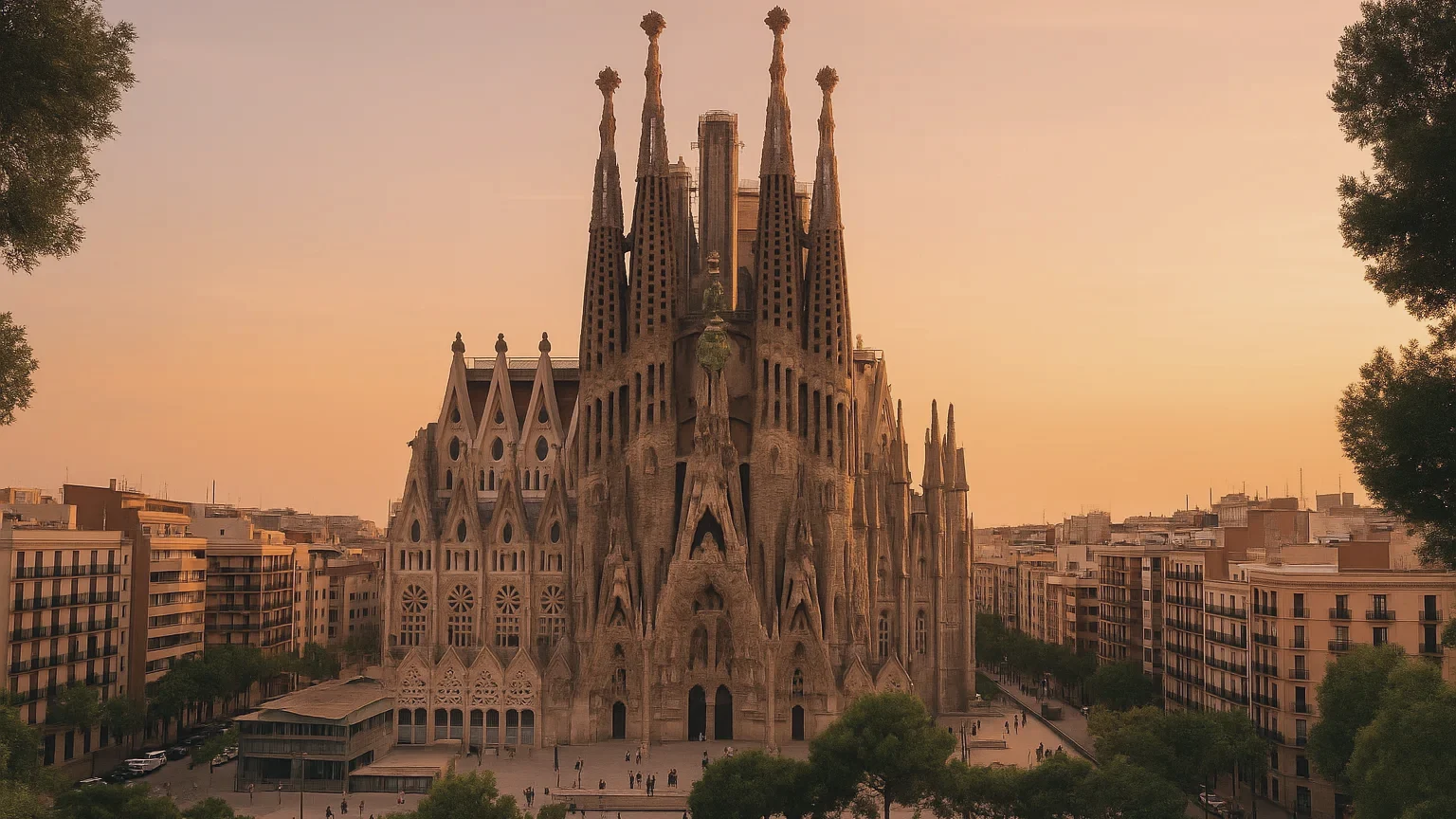
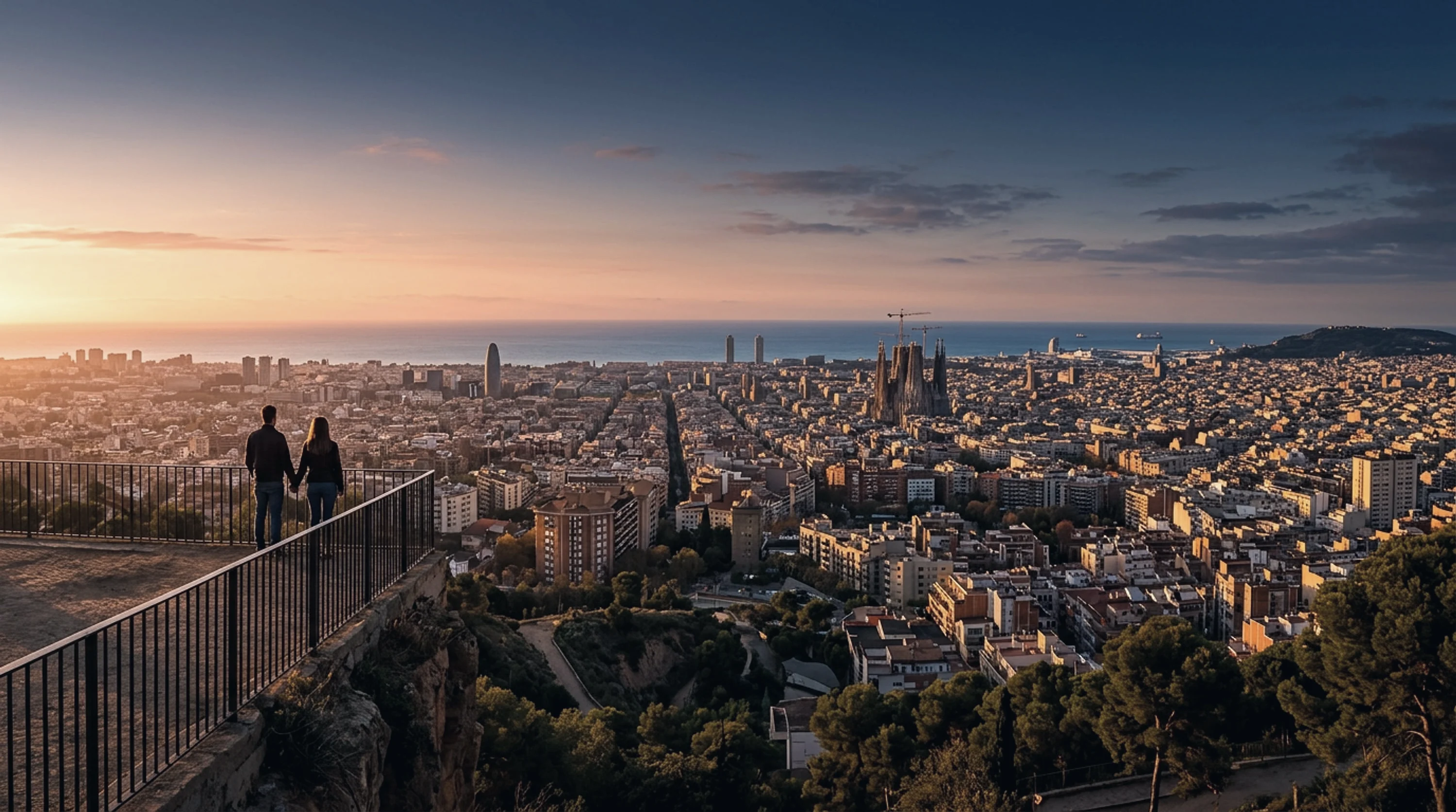
Start with the route itself. Barcelona rewards a clear plan, especially when the city is split between medieval lanes, modernist avenues and hilltop viewpoints. A tour that lists Gothic Quarter, Sagrada Familia and Park Güell may sound impressive, but the order matters. Travel time between areas can be significant, and a packed route may leave little room to look around. Check whether the day has a sensible flow, with enough time at each stop to take photos, read a little context and move at a relaxed pace.
It also helps to check who the route suits. A private tour Barcelona visit can be shaped around interests, but not every itinerary is designed for the same kind of traveller. Some people want architecture, some want food, some want family-friendly pacing, and others want a broad first look at the city. Read the description for clues about walking distance, pace, language and the level of detail included. For example, Casa Batlló and Barcelona Cathedral may be quick photo stops in one plan and longer visits in another. The words on the page may look similar, yet the experience can be quite different.

Details worth checking before you book
- The start point and end point. Confirm where the day begins and where it finishes, then think about how that fits with your hotel, transport plans and the rest of your schedule. A central start can save time, while a finish near lunch or dinner plans can make the day feel smoother.
- What is included. Look closely at whether entry tickets, transport, food tastings or museum visits are part of the arrangement. If a stop is only viewed from outside, that is fine, but it should be clear before you commit.
- The pace and total duration. Check how long the tour is meant to last and whether there are breaks. Barcelona streets can be tiring in warm weather, especially around La Boqueria Market or the narrow lanes of the old city.
- How private the tour really is. Confirm that the booking is for your own group rather than a shared outing with a smaller label. This matters when you are paying for flexibility, privacy and a more personal rhythm.
- Cancellation and change terms. Travel plans shift. Read the conditions for changes, late arrivals and cancellations so that you know what applies before weather, flights or other plans interfere.
Another point to check is access. Some of Barcelona's best-known sites involve timed entry, security lines or restrictions on bags. A plan that includes Sagrada Familia or Park Güell needs careful timing, because arrival without the right arrangement can waste a chunk of the day. Ask whether tickets are handled as part of the tour and whether the route accounts for entry rules. If certain areas involve steep streets, stairs or long stretches on foot, make sure that works for everyone in the group.
When comparing options, keep the language practical. If you want a deeper explanation of architecture, history or local food culture, check how the tour is described and what kind of commentary is provided. A route through Montjuïc, for instance, can focus on viewpoints, gardens, museums or city history. Without a clear description, two tours with similar names may deliver very different days. The same applies to Museu Picasso, where the visit can be brief or more involved depending on the itinerary.
Reading the name privatetourinbarcelona.com is not a substitute for checking the details of a specific outing, but it can be a starting point for comparison. Look at how the day is described, what choices are offered and whether the route makes sense for the things you want to see. Clear wording is useful because it reduces guesswork. Vague phrases may sound flexible, yet they can hide extra costs, rushed stops or a route that changes too much on the day.
Think about timing as well. Barcelona has a rhythm of its own, with busy mornings, long lunches and crowded late afternoons in popular areas. A tour that begins early may feel calmer around famous landmarks, while an afternoon plan may suit people who prefer a slower start. Check whether the itinerary avoids the busiest periods where possible, or whether it simply follows the most famous sites in sequence. Neither approach is wrong, but the trade-off should be clear.
Group size and comfort deserve attention too. A private arrangement is often chosen for space, flexibility and fewer disruptions, so it is worth checking how the day is structured around those expectations. Does the plan allow pauses? Can the route be adjusted if the group wants more time somewhere? Are transfers included between distant stops, or is the day mainly on foot and by public transport? These questions matter more than a long list of landmark names.
Food is another area where expectations need to match the plan. A market visit can be a short look around, a tasting stop or a full meal. La Boqueria Market is a good example: it is lively, crowded and best approached with a clear idea of what the stop involves. If food is central to your interest, check whether tastings are arranged or whether the tour simply passes through. Also make sure dietary needs can be accommodated before booking, particularly if the itinerary includes seated meals or several tastings.
There is also the question of what happens if plans change. Bad weather, closures, strikes and transport delays can all affect a day in a busy city. A sensible plan should give some indication of how changes are handled. This does not mean expecting every detail to be guaranteed, since cities are unpredictable. It does mean looking for clear terms and a route that can adapt without turning the day into a rushed list of replacements.
Value should be judged against the full experience, not just the length of the itinerary. A shorter tour with thoughtful pacing, clear inclusions and a focused route may suit better than a long day that tries to cover everything. Consider what you want to remember: architecture, neighbourhood atmosphere, food, art, views or a general sense of the city. Once that is clear, the right plan becomes easier to recognise.
Before making a final decision, read the description more than once and compare it with your own priorities. Check dates, meeting details, entry arrangements, duration, language, group size and terms. If something is unclear, it is better to resolve it before the day arrives. A well-matched private tour in Barcelona leaves room for the city itself: the streets, the light, the details in the buildings and the pauses that make a visit feel worth remembering. Careful checking will not remove every surprise, but it will help the surprises be pleasant ones.